


Understanding the Essentials of a Modern Balanced Diet
- To Think To Solve

- Mar 25
- 3 min read
Eating well remains one of the most effective ways to support overall health and well-being. Yet, the idea of a balanced diet has evolved significantly over time. Today, it goes beyond simply counting calories or following rigid food rules. Instead, it focuses on variety, nutrient density, and mindful choices that fit modern lifestyles. This post explores what a modern balanced diet really means, why it matters, and how to incorporate healthy foods into your daily routine.
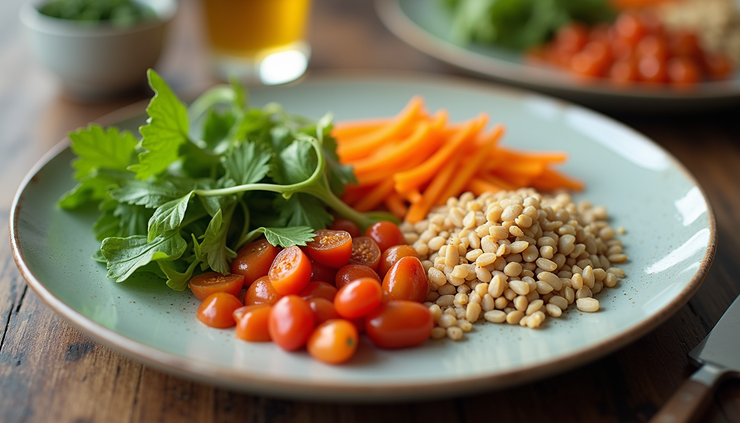
What Defines a Balanced Diet Today
A balanced diet provides the body with essential nutrients in the right proportions to maintain health, energy, and proper functioning. Unlike outdated diets that focused on strict food groups or calorie limits, a modern balanced diet emphasizes:
Variety: Eating different types of foods ensures you get a broad spectrum of vitamins, minerals, and antioxidants.
Whole and minimally processed foods: Fresh fruits, vegetables, whole grains, nuts, seeds, lean proteins, and healthy fats form the foundation.
Moderation: Enjoying treats or less nutrient-dense foods occasionally without guilt.
Personalization: Adjusting food choices based on individual needs, preferences, and cultural backgrounds.
This approach supports not only physical health but also mental well-being by reducing stress around eating.
Key Components of a Modern Balanced Diet
1. Vegetables and Fruits
These are the cornerstone of healthy foods. They provide fiber, vitamins like C and A, minerals such as potassium, and antioxidants that protect cells. Aim for at least five servings daily, including a variety of colors and types. For example:
Leafy greens like spinach and kale
Bright orange carrots and sweet potatoes
Berries and citrus fruits
2. Whole Grains
Whole grains retain the bran and germ, which contain fiber and nutrients. Examples include:
Brown rice
Quinoa
Whole wheat bread and pasta
Oats
These foods support digestion, help regulate blood sugar, and keep you feeling full longer.
3. Lean Proteins
Protein is essential for muscle repair, immune function, and hormone production. Choose lean sources such as:
Skinless poultry
Fish and seafood
Legumes like lentils and chickpeas
Tofu and tempeh
Including plant-based proteins can also reduce saturated fat intake.
4. Healthy Fats
Not all fats are equal. Healthy fats support brain health and hormone balance. Sources include:
Avocados
Nuts and seeds
Olive oil and other vegetable oils
Fatty fish like salmon and mackerel
Limit saturated fats and avoid trans fats found in many processed foods.
5. Hydration
Water is often overlooked but is vital for every bodily function. Drinking enough fluids supports digestion, circulation, and temperature regulation. Herbal teas and water-rich fruits and vegetables also contribute.
Practical Tips to Build a Balanced Diet
Plan meals around vegetables: Make half your plate vegetables and fruits.
Choose whole grains over refined grains: Swap white bread for whole wheat or brown rice.
Include protein at every meal: This helps maintain energy and muscle mass.
Cook at home more often: This gives control over ingredients and portion sizes.
Limit added sugars and salt: Check labels and reduce processed snacks.
Listen to your body: Eat when hungry, stop when full, and enjoy your food.
Benefits of Following a Balanced Diet
Eating a balanced diet rich in healthy foods supports:
Stable energy levels throughout the day
Healthy weight management
Strong immune system
Reduced risk of chronic diseases like heart disease, diabetes, and some cancers
Better mood and cognitive function
Research consistently shows that diets emphasizing whole foods and variety improve long-term health outcomes.

Common Myths About Balanced Diets
Myth: Carbs are bad for you.
Carbohydrates from whole grains, fruits, and vegetables are essential energy sources.
Myth: Fat makes you gain weight.
Healthy fats support metabolism and satiety; excess calories cause weight gain, not fat itself.
Myth: You must avoid all processed foods.
Some minimally processed foods like frozen vegetables or canned beans can be convenient and nutritious.
Understanding these facts helps avoid unnecessary restrictions and promotes a sustainable approach.
Final Thoughts on Embracing a Balanced Diet
A modern balanced diet is about making smart, flexible choices that nourish your body and fit your lifestyle. It values variety, whole foods, and moderation over strict rules. By focusing on nutrient-rich healthy foods and listening to your body's needs, you can build habits that support long-term health and enjoyment.
Start small by adding more vegetables to your meals or swapping refined grains for whole grains. Over time, these changes create a strong foundation for wellness. Remember, the goal is progress, not perfection.


Comments